
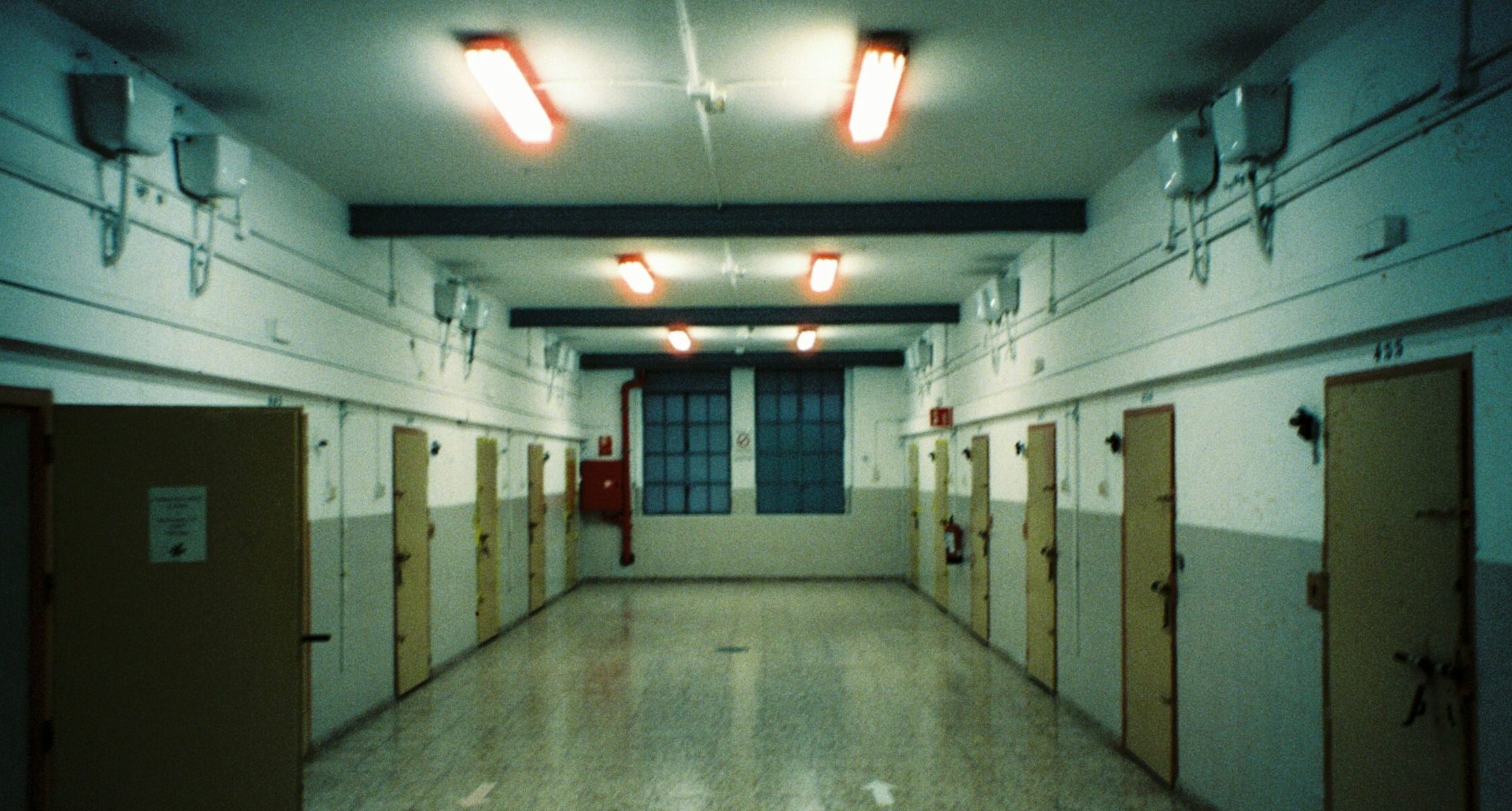
A detention warrant was denied in a Korean stalking case after Kang & Shin represented a foreign client at the warrant hearing. Although the client was already on probation in a separate matter, the court denied the prosecution’s request for detention, allowing him to remain free while preparing his defense.
Stalking allegations in Korea may expose a foreign suspect to criminal investigation, protective measures, detention, and possible immigration consequences. Early preparation is particularly important when prosecutors seek a detention warrant based on an alleged risk of flight, evidence destruction, reoffending, or harm to the victim.
Why Stalking Charges Are a Serious Risk for Foreigners
For foreign nationals in Korea, even a cultural difference or simple misunderstanding can quickly escalate into an accusation under the Act on Punishment of Stalking. Korea now enforces stalking laws with extreme strictness, and such allegations are treated with seriousness.
For foreigners, a conviction leads to more than just criminal penalties. It triggers severe immigration consequences, including:
– Deportation
– Denial of visa extensions
– Future entry bans
Your initial response to an investigation is therefore critical. The way you handle police questioning and detention warrant hearings can make the difference between remaining free to prepare your defense or being detained and ultimately removed from Korea.
Penalties Under the Act on Punishment of Stalking
General Stalking: Up to 3 years in prison or a fine of up to 30 million KRW.
Stalking with a Dangerous Weapon: Up to 5 years in prison or a fine of up to 50 million KRW.
Even paying a fine results in a criminal record, which is reported to the Korea Immigration Service. This triggers an Immigration Offense Review, often leading to a departure order, visa cancellation, or denial of visa extension.
What Is a Detention Warrant Hearing?
If the investigation authorities believe a suspect might flee or destroy evidence, they can request a detention warrant. The suspect is then brought before a judge for a hearing known in Korea as detention warrant hearing.
- If the warrant is issued, the suspect is detained (jailed) while the investigation and trial proceed.
- If the warrant is dismissed, the suspect remains free and can more effectively prepare their defense.
For any foreigner, avoiding detention is critical. Being held in custody restricts communication with your family, employer, and legal counsel, making it far more difficult to build a strong defense.
Successful Story: Detention Warrant Dismissed by Kang & Shin
Kang & Shin represented a client accused of violating the Act on Punishment of Stalking. Securing his freedom was particularly challenging because the client was already on probation for a separate issue, and the prosecution argued forcefully that detention was necessary.
During the warrant hearing, we built a strong defense by emphasizing several key factors, including our client’s stable job and strong social ties in Korea, his cooperative and remorseful attitude following the arrest, and other mitigating circumstances demonstrating that the risk of flight or reoffending was extremely low.
The result: The court accepted our arguments and dismissed the detention warrant. This crucial victory allowed our client to return to his life and job while preparing for the main trial, avoiding the immense hardship of being detained.
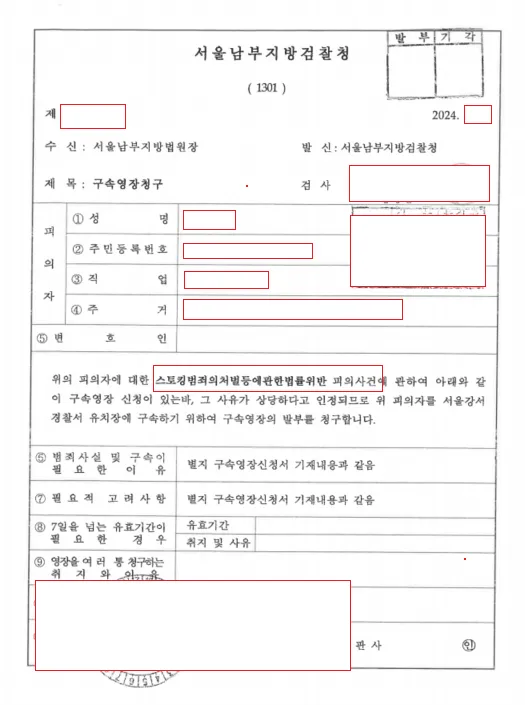
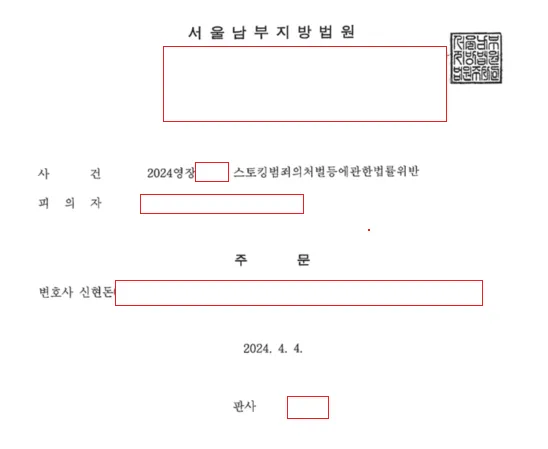
What to Do If You’re Accused of Stalking in Korea
If you are being investigated for stalking, take the necessary steps immediately. Taking the right steps at the earliest stage can make the difference between staying free to prepare your defense or being detained.
- Do Not Ignore Investigators. Failing to answer police summonses is often viewed as a flight risk and is one of the fastest ways to trigger an arrest warrant.
- Assess Your Actions. Even well-meaning contact may still violate the law if it causes fear or anxiety.
- Hire an Experienced Lawyer. You need a lawyer that can communicate in Enlgish so that your situation is fully understood, and has expertise in both criminal defense and immigration law.
Protect Your Future with an English-Speaking Lawyer in Korea
Stalking allegations may place a foreign suspect’s liberty, employment, and immigration status at risk. Early assistance from a criminal defense lawyer in Korea can be particularly important when prosecutors are considering detention. Kang & Shin provides bilingual representation during police investigations, prosecution proceedings, detention-warrant hearings, and criminal trials.
Foreign clients seeking an English-speaking lawyer in Korea may contact Kang & Shin to discuss their case.
